
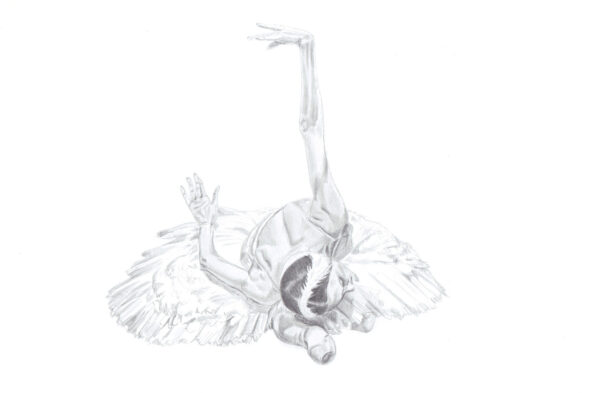
I have always been interested in Russian ballet ever since discovering Nijinsky and Anna Pavlova, so I did a little research to see how Russian ballet has influenced English ballet and this is what I found.
Russian ballet has definitely had an influence on English ballet, quite significant in fact. It’s particularly so through the training methods and artistic principles established by Russian teachers and choreographers. The Russian ballet tradition, known for its rigorous technique, expressive performance style, and dramatic storytelling, has significantly shaped the development of ballet in England.
Key Figures and Institutions
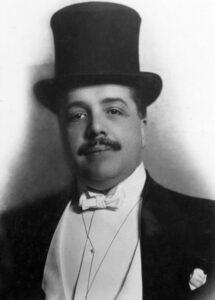 Sergei Diaghilev and the Ballets Russes
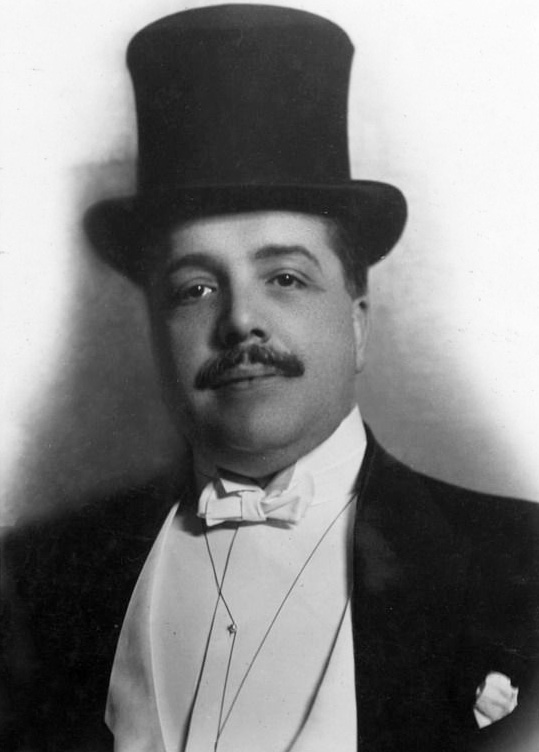
- The arrival of Sergei Diaghilev’s Ballets Russes in London in the early 20th century was a pivotal moment for English ballet. The company introduced British audiences to the Russian style and repertoire, featuring works by choreographers such as Mikhail Fokine and Vaslav Nijinsky.
- The innovative and modernist productions of the Ballets Russes inspired a generation of English dancers and choreographers.
Ninette de Valois and the Royal Ballet
- Ninette de Valois, trained at the Ballets Russes, played a crucial role in establishing the Royal Ballet. She founded the Vic-Wells Ballet (later known as the Royal Ballet) in 1931, incorporating the Russian techniques she learned under Diaghilev’s mentorship.
- De Valois invited Russian choreographers like Serge Lifar and Léonide Massine to work with the company, further infusing the Russian influence into English ballet.
English Ballet Dancers Trained by Russian Teachers
Margot Fonteyn
- Margot Fonteyn, one of the most celebrated English ballerinas, was trained by Russian émigré teacher Serafina Astafieva. Astafieva had trained at the Imperial Ballet School in St. Petersburg and brought her knowledge of Russian ballet techniques to England.
- Fonteyn’s training under Astafieva instilled in her the precision, grace, and expressive quality characteristic of Russian ballet.
- She also trained under Russian dancers Georgy Goncharov and Olga Preobrajenska.
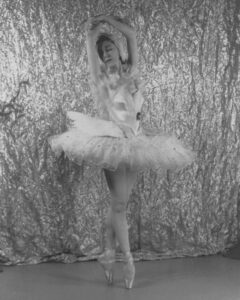 Alicia Markova
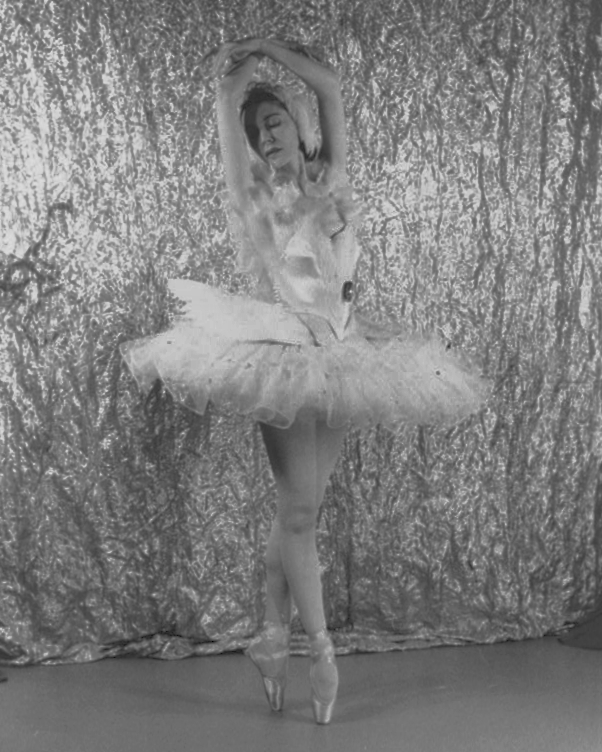
- Alicia Markova (it sounds like a Russian name but she was actually born Lilian Alicia Marks), another prominent English ballerina, was also influenced by Russian teachers. She trained with Enrico Cecchetti, an Italian ballet master who had worked extensively in Russia and absorbed the Russian style.
- Like Fonteyn, Markova also studied with Serafina Astafieva, a Russian ballerina living in London and at the age of 14 Markova was invited to dance with Diaghalev’s Ballet Russes.
- Markova’s performances were marked by technical excellence and dramatic expressiveness, reflecting her Russian-influenced training.
Marie Rambert
- Marie Rambert was born in Poland and danced with the Ballet Russes in the early 1900s.
- Rambert moved to England where she trained under Enrico Cecchetti.
- She later established the Rambert Ballet in London, a leading British dance company, now known as Rambert Dance Company.
Frederick Ashton
- Frederick Ashton, one of the most influential English choreographers, was inspired by the Russian ballet tradition. He was a pupil of Russian choreographer Léonide Massine.
- Ashton collaborated with Russian émigré dancers and choreographers, incorporating their techniques and artistic principles into his works for the Royal Ballet.
Lasting Impact
The Russian influence on English ballet has had a lasting impact on both the training and performance standards in the UK and including the RAD (Royal Academy of Dance) method. Russian methods, characterized by their emphasis on rigorous technique, musicality, and dramatic expression, have become integral to the curriculum of English ballet schools, such as the Royal Ballet School.
I think the collaboration between Russian and English ballet artists has enriched the repertoire and elevated the artistic quality of English ballet companies.