

When I was having ballet lessons as a child, I was also interested by the history of ballet. Where did it come from? Why are the step names in French? What was the influence of Russian ballet upon English Ballet? And many more questions.
Here are some answers to those questions. The related countries are highlighted in green!
Origins of Ballet: 1500s
Early Beginnings
 Ballet’s roots trace back to the Italian Renaissance courts of the 15th century, where elaborate court dances and spectacles were integral to noble entertainment. These early performances combined music, dance, and theatrical elements, setting the foundation for the development of ballet as an art form. Court choreographers and composers played a crucial role in shaping these early ballets, which were often performed during lavish banquets and celebrations.
Catherine de’ Medici and France
Catherine de’ Medici, an Italian noblewoman who became Queen of France, played a major role in introducing ballet to the French court in the 16th century. She sponsored elaborate dance performances, including the first recognized ballet, “Ballet Comique de la Reine” (“The Queen’s Comic Ballet”) in 1581, which was a blend of music, dance, and drama. Her patronage helped establish France as a central hub for the development of ballet.
The Baroque Era: 1600s
Establishment of the Paris Opera Ballet
In 1661, Louis XIV founded the Académie Royale de Danse, which later evolved into the Paris Opera Ballet, the first professional ballet company. Jean-Baptiste Lully and Pierre Beauchamp were instrumental in developing ballet techniques and establishing five basic positions of the feet. This period marked the formalisation of ballet as a professional art form, distinct from its courtly origins.
Ballet as a Professional Art Form
Ballet transitioned from a form of court entertainment to a professional performance art during this era. The emergence of the “ballet master” helped codify dance techniques and positions, leading to more structured and refined performances. Pierre Beauchamp is credited as being the first Ballet Master. This professionalisation paved the way for the creation of intricate choreographies and the rise of skilled dancers.
The Romantic Era: 1800s
Characteristics of Romantic Ballet
The Romantic era in ballet was characterized by themes of supernatural and ethereal elements, often exploring love, fantasy, and nature. Pointe work became a hallmark of this period, allowing ballerinas to appear weightless and otherworldly. The Romantic tutu, a bell-shaped skirt, was introduced, enhancing the ethereal quality of the dancers’ movements.
Iconic Works and Ballerinas
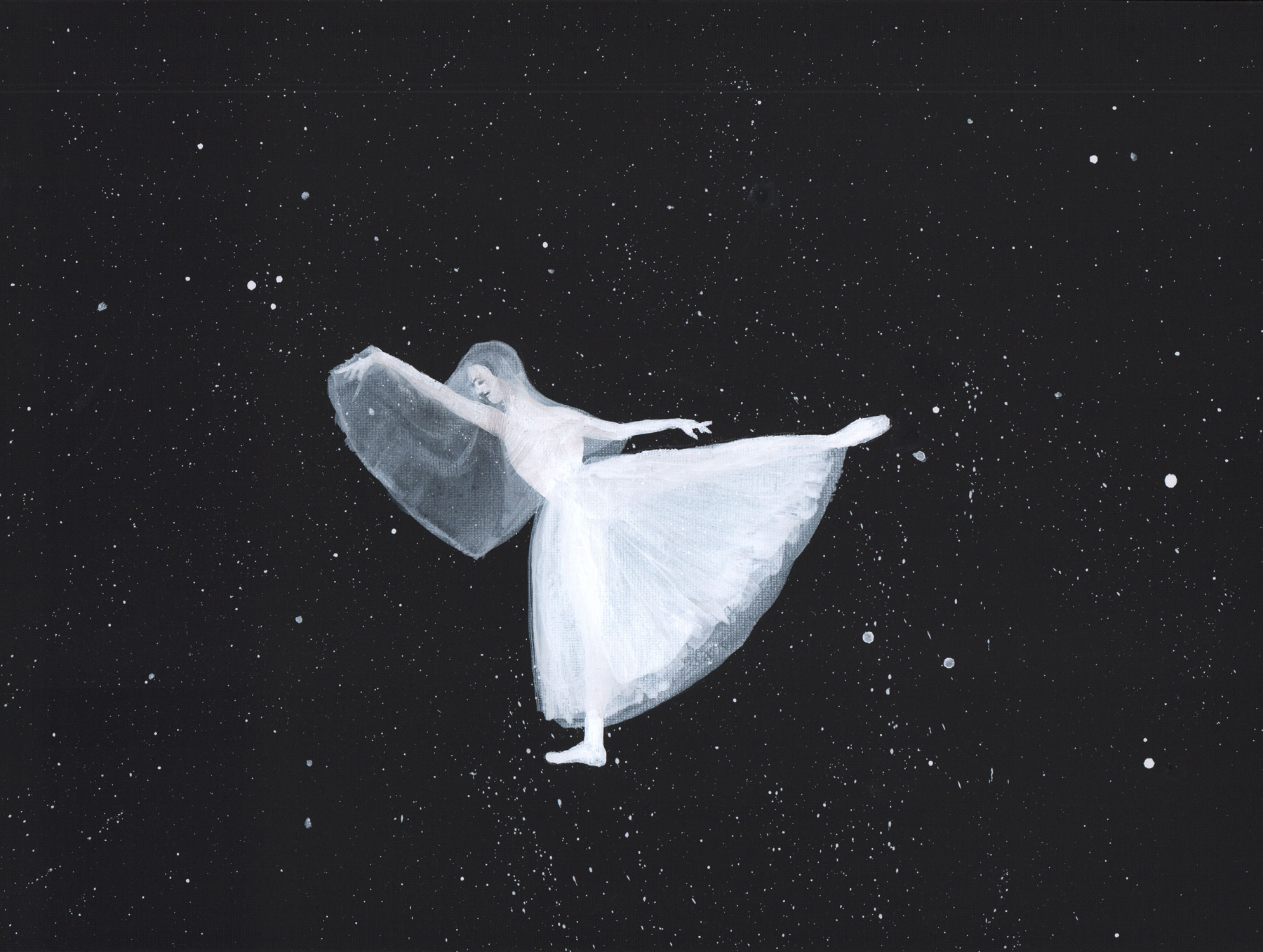 Significant ballets from the Romantic era include La Sylphide (1832) and Giselle (1841), both of which featured themes of unattainable love and supernatural beings. Marie Taglioni (Swedish/Italian dancer trained by the French choreographer Marius Petipa) and Carlotta Grisi (Italian dancer trained by French dancer and choreographer Jules Perrot) were among the most famous ballerinas of this period, renowned for their grace and technical skill. Their performances set new standards for ballet and captivated audiences across Europe.
The Classical Era: 1800s
Rise of Russian Ballet
The Classical era saw the rise of Russian ballet, with French choreographer Marius Petipa playing a crucial role in its development. Iconic ballets such as Swan Lake (1877), The Sleeping Beauty (1890), and The Nutcracker (1892) were created during this time, featuring elaborate sets, costumes, and intricate choreography. Petipa’s work established the grand ballet tradition, characterized by its emphasis on technique and spectacle.
The Imperial Ballet School
The Imperial Ballet School, now known as the Vaganova Academy of Russian Ballet, was established to train dancers to the highest standards. This institution produced some of the finest dancers and choreographers, contributing significantly to the global influence of Russian ballet. Composers like Tchaikovsky collaborated with choreographers, creating timeless scores that have become integral to ballet repertoire.
The 20th Century and Beyond
Ballets Russes and Modernism
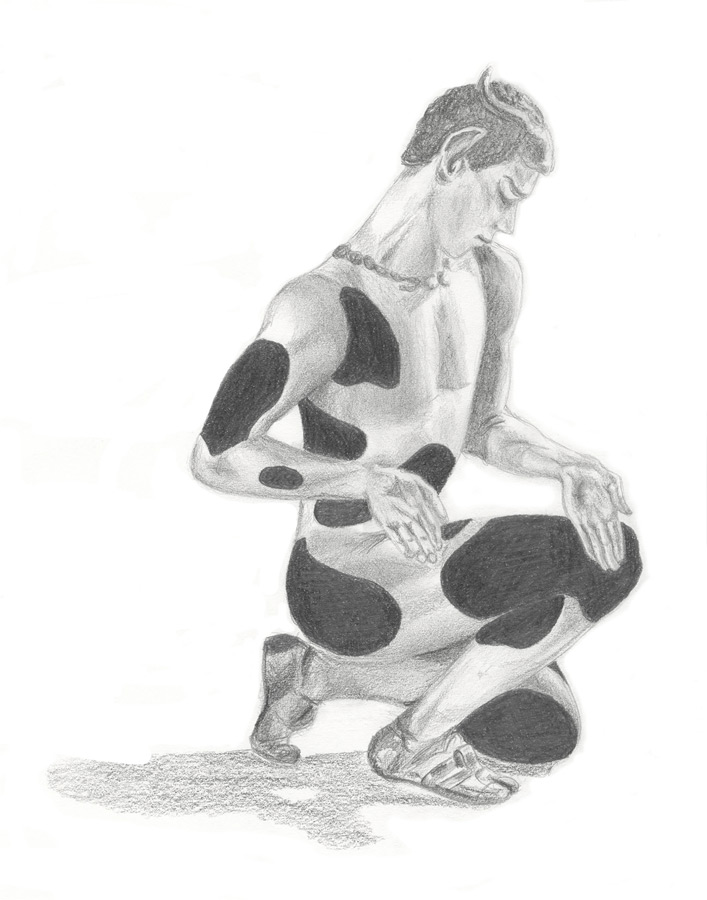
Sergei Diaghilev’s Ballets Russes (“Russian Ballet”) revolutionized ballet in the early 20th century, introducing modernist elements and bold new collaborations.
The company worked with artists like Stravinsky (Russian), Picasso, and Nijinsky (Russian), producing groundbreaking works that pushed the boundaries of traditional ballet. This period marked a significant shift towards innovation and experimentation in ballet.
Evolution of Contemporary Ballet
Russian born, George Balanchine, a former Ballets Russes choreographer, developed neoclassical ballet, emphasizing abstract movements and musicality. His work with the New York City Ballet set new standards for contemporary ballet, blending classical technique with modern sensibilities. American ballet companies such as the New York City Ballet and American Ballet Theatre became influential in shaping the future of ballet.
Globalisation of Ballet
Ballet spread worldwide, leading to the establishment of major companies in various countries and the fusion of ballet with other dance forms. This globalisation brought diverse cultural influences into ballet, enriching its repertoire and appeal. Contemporary choreographers continue to innovate, ensuring that ballet evolves and remains relevant in the modern era.
I hope you found that interesting! Watch out for more posts about the history of ballet and the influences upon English ballet.